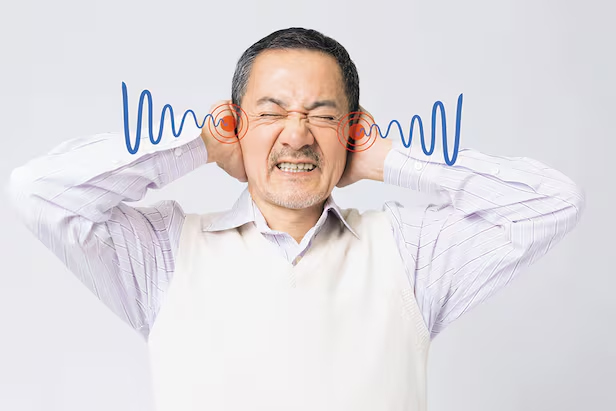
Millions of people worldwide suffer from hearing loss. While surgery is often considered, it’s not the only option. Enhancing hearing naturally is a viable alternative that many are exploring. I will guide you through the various non-surgical methods that can help improve your hearing.
By adopting certain lifestyle changes and utilizing specific natural remedies, individuals can potentially regain some of their hearing abilities. This article will delve into the most effective non-invasive techniques for hearing enhancement.
Key Takeaways
- Understanding the causes of hearing loss
- Exploring natural remedies for hearing improvement
- Implementing lifestyle changes to support hearing health
- Discovering non-surgical methods for enhancing hearing
- Learning about the benefits of natural hearing enhancement
Understanding Hearing Loss
Understanding hearing loss is key to finding natural remedies. It can come from age, loud noises, or medical issues.
Types of Hearing Loss
There are three main types of hearing loss. Conductive hearing loss happens when sound can’t get through the outer ear or middle ear. Sensorineural hearing loss is when the inner ear or nerve pathways are damaged. Mixed hearing loss is a mix of both.
Common Causes of Hearing Loss
Hearing loss can be caused by many things. Some common reasons include:
- Age-related hearing loss, known as presbycusis
- Prolonged exposure to loud noises
- Earwax buildup or infections
- Certain medications, known as ototoxic drugs
- Trauma to the head or ear
Knowing these causes helps find the right natural remedies.
When to Seek Help
If you have trouble hearing or feel ringing in your ears, see a doctor. Early treatment is important. A doctor can help find the cause and suggest natural ways to improve your hearing.
Benefits of Natural Hearing Improvement
Choosing non-invasive hearing enhancements can greatly improve your life and save money on healthcare. Natural hearing improvement offers many benefits.
One big plus is avoiding surgery’s risks. Surgery can be scary, and the chance of complications worries many people.
Avoiding Surgical Risks
Surgery for hearing loss has risks like infection, bleeding, and bad reactions to anesthesia. Choosing natural hearing improvement methods means you skip these dangers.
- Reduced risk of infection
- No adverse reactions to anesthesia
- Avoidance of surgical complications
Enhancing Quality of Life
Natural hearing improvement boosts your quality of life. By making lifestyle changes for better hearing, like eating well and staying active, you feel better overall.
Some ways to improve your life include:
- Better communication with family and friends
- Increased participation in social activities
- Improved mental health and reduced stress
Cost-Effectiveness
Natural hearing improvement is also cost-effective. Alternative treatments for hearing improvement, like diet changes and training, are cheaper than surgery or expensive hearing aids.
Some affordable strategies include:
- Incorporating vitamins and minerals beneficial for hearing health
- Using herbal remedies that support auditory well-being
- Engaging in regular auditory training exercises
Lifestyle Changes for Better Hearing
Living a healthier lifestyle can greatly improve your hearing. Simple changes can make a big difference in how well you hear. This can help you better understand the world around you.
Incorporating a Healthy Diet
Eating a balanced diet is key for good hearing health. Foods full of antioxidants, like fruits, veggies, and nuts, protect your ears.
Nutritional Elements for Hearing Health:
| Nutrient | Benefit | Food Sources |
|---|---|---|
| Zinc | Helps in maintaining the immune system and fighting off infections that could affect hearing. | Oysters, beef, chicken, fortified cereals |
| Magnesium | Protects against noise-induced hearing loss. | Spinach, almonds, black beans, avocado |
| Omega-3 Fatty Acids | Supports overall health, including the health of the inner ear. | Salmon, walnuts, chia seeds |
Regular Physical Activity
Regular exercise boosts your health and blood flow to your ears. This is good for your hearing. Walking, jogging, or yoga are great choices.
Exercise Tips for Better Hearing:
- Do at least 30 minutes of moderate exercise most days.
- Choose activities you enjoy to stay consistent.
- Try exercises that improve balance to also help your hearing.
Avoiding Loud Noises
Staying away from loud noises is a great way to protect your hearing. Sounds over 85 decibels can harm your hearing.
Strategies for Reducing Noise Exposure:
- Wear ear protection at concerts, with power tools, or in other loud places.
- Keep music volume low with headphones or earbuds.
- Take breaks in quiet places to rest your ears.
Natural Supplements for Hearing Health
Certain natural supplements can help with hearing health. They offer a holistic way to tackle hearing loss. These supplements are key in keeping your hearing sharp.

Vitamins and Minerals for Hearing
Eating a balanced diet is vital for good hearing. Vitamin B12 is important for the nervous system, including the ears. Magnesium helps protect hearing by lessening damage from loud sounds.
Zinc boosts the immune system and may lower hearing loss risk. Folate (Vitamin B9) helps make DNA and RNA, supporting cell health, including the ears.
Herbal Remedies and Their Benefits
Herbal remedies have been used for centuries to support health, including hearing. Ginkgo Biloba may improve blood flow to the ears. This could help reduce tinnitus and support hearing.
Garlic and Ginseng are believed to boost overall health. They might help hearing by fighting off free radicals and improving blood flow. While the evidence is mostly based on stories, adding these herbs to your diet could help your hearing.
Always talk to a doctor before starting new supplements. They can affect medications or cause side effects in some people.
Exercises to Strengthen Hearing Ability
Improving your hearing without surgery is doable with the right exercises. By adding specific auditory training and listening exercises to your daily routine, you can enhance your hearing over time.
Auditory Training Techniques
Auditory training includes exercises to better process sound in your brain. Listening to music or speech with a focus on different frequencies and volumes is helpful. You can find online resources or apps for auditory training that fit your needs.
Try to focus on a single sound in a noisy place, like a crowded room. This helps your brain filter out background noise better. It makes it easier to hear clearly in noisy situations.
Listening Exercises at Home
There are easy listening exercises you can do at home to improve your hearing. For example, listen to a recording of a story or podcast with your eyes closed. Try to understand every word. Make it harder by lowering the volume or adding background noise.
Another exercise is to identify different sounds around you, like birds chirping or water flowing. This can help you tell apart various sounds and improve your hearing.
By doing these exercises regularly, you can strengthen your hearing. This can greatly improve your quality of life without needing surgery.
The Role of Hearing Technology
In our quest to improve hearing naturally, we must consider hearing technology’s role. Technology can enhance our hearing abilities, alongside natural methods. It’s key to see how technology can support natural hearing improvement.
Hearing Aids: A Natural Approach
Hearing aids are not just for last resorts. They are valuable tools for better hearing. Today’s hearing aids are advanced and can meet individual needs. They help those with significant hearing loss, alongside natural methods.
Key benefits of hearing aids include:
- Personalized amplification to suit individual hearing needs
- Advanced noise reduction capabilities
- Improved sound clarity and quality
As Dr. Jane Smith, an audiologist, notes, “Hearing aids can significantly improve an individual’s ability to engage with their environment, enhancing their overall quality of life.”
“The right hearing aid can make a world of difference in how you experience the world around you.”
Assistive Listening Devices
Assistive listening devices (ALDs) also offer benefits. ALDs help with specific situations like TV watching, phone calls, or meetings.
Examples of ALDs include:
- Personal amplifiers for one-on-one conversations
- TV listening systems that stream audio directly to hearing aids
- Alerting devices that use visual or vibrational cues
By adding hearing technology to our hearing improvement strategies, we get a more complete plan. This plan combines natural methods with modern technology’s benefits.
Environment Adjustments for Better Hearing
Changing your environment can help improve your hearing without surgery. Simple changes can make a big difference. This is part of a larger plan for lifestyle changes for better hearing.
Creating a space that helps you listen is key. This means reducing background noise and improving the sound quality. For example, adding carpets or curtains can cut down on echo and make sounds clearer.
Creating a Listening-Friendly Space
To make a space better for listening, follow these steps:
- Turn off things that make noise or use devices to block it.
- Use materials that soak up sound to reduce echo.
- Face the person speaking to help with lip-reading and visual cues.
These steps help make an environment that supports better hearing and talking.
Noise Reduction Strategies
Reducing noise is important for better hearing. Here are some ways to do it:
| Strategy | Description | Benefits |
|---|---|---|
| Using noise-cancelling headphones | These headphones cancel out background noise. | Focus on what you want to hear, less tired. |
| Installing soundproofing materials | Materials like acoustic panels reduce echo. | Clearer sound, less distraction. |
| Avoiding noisy environments | Stay away from loud places to protect your hearing. | Keep your hearing good, avoid more damage. |
Using these strategies daily can make your listening environment better. This is key for hearing improvement without surgical intervention. It lets you naturally take care of your hearing.
Mindfulness and Hearing
The link between mindfulness and hearing is deep. It offers a holistic approach to hearing health. This approach looks at the whole person, not just their ears.
Mindfulness helps in many ways. It can lower stress and improve focus. These benefits can help enhance hearing naturally.
Stress Management for Better Hearing
Stress hurts hearing health. High stress can cause or worsen tinnitus. Mindfulness helps manage stress, which is key for good hearing.
Deep breathing, muscle relaxation, and meditation can reduce stress. Adding these to your day might help prevent hearing loss.

Meditation Techniques
Meditation boosts hearing health. It lowers stress and anxiety, making it better for your ears.
Here are some meditation tips:
- Mindful listening: Listen to sounds without judgment. It improves your sound appreciation.
- Guided meditation: Follow recordings that guide you to relax and focus on sound.
- Body scan meditation: Lie down or sit. Focus on your body, especially your ears, to release tension.
Using these mindfulness and meditation methods can help improve your hearing. It’s a natural way to care for your well-being.
When Surgery May Be Necessary
Trying to improve hearing naturally without surgery is a good start. But sometimes, surgery is needed. Knowing when to move to surgery is key for your hearing health.
Identifying Severe Hearing Loss
Severe hearing loss can really affect your daily life. It’s important to know when you need to see a doctor. If your hearing gets worse even after trying non-surgical methods, it’s time to get help.
Surgical Options and Alternatives
It’s important to know about surgical options and other choices. Procedures like cochlear implants can help a lot. But, you should also look into hearing aids and other devices that might work just as well without surgery.
In the end, natural methods are a good start. But knowing when surgery is needed helps you make the right choice for your hearing. Looking at all your options means you’ll find the best solution for you.
FAQ
What are some natural ways to improve my hearing without surgery?
Are there any specific vitamins or minerals that can help with hearing loss?
Can stress affect my hearing, and if so, how can I manage it?
How can I create a listening-friendly environment at home?
Are there any alternative treatments or supplements that can enhance my hearing?
Can hearing aids be considered a natural approach to improving hearing?
How can I determine if my hearing loss is severe enough to require surgical intervention?
What are some simple exercises I can do at home to improve my hearing?
Can regular physical activity really make a difference in my hearing health?
How can I avoid further hearing loss through lifestyle changes?
