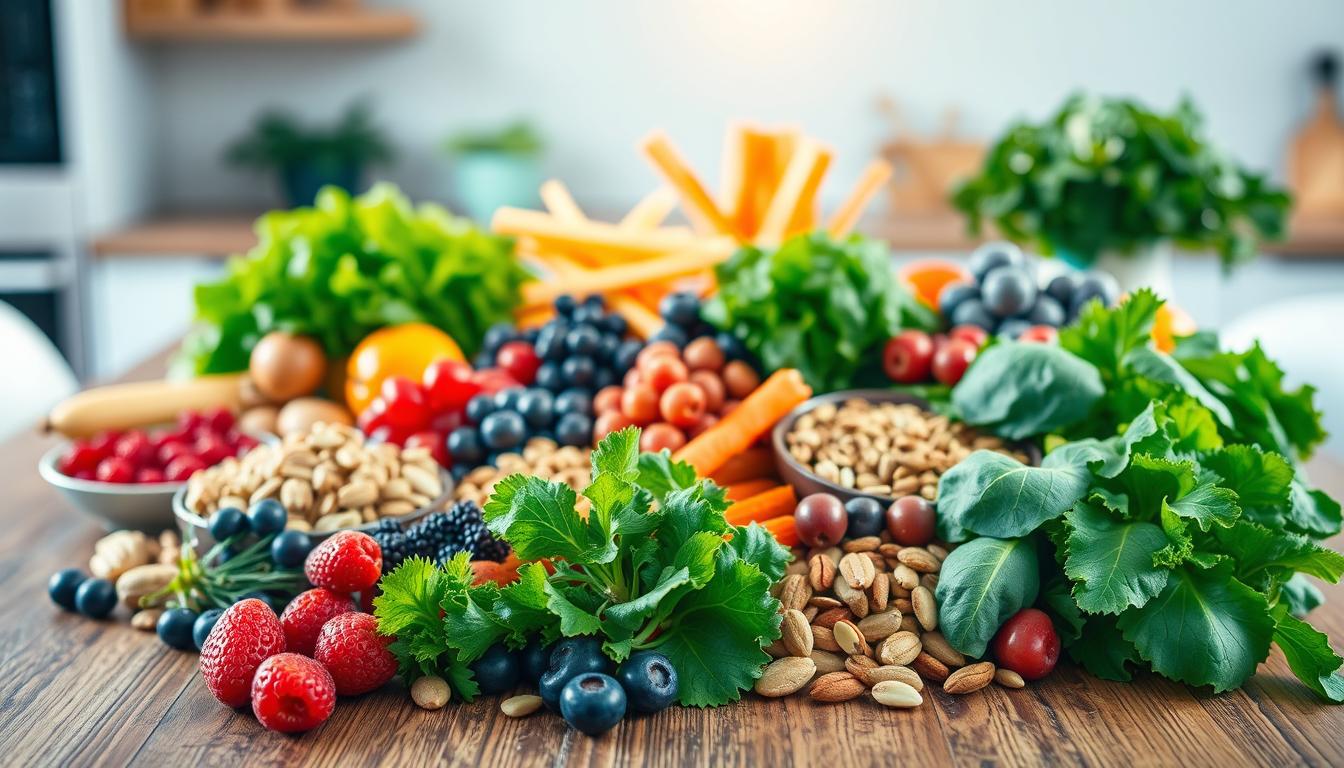
Starting an anti-inflammatory diet plan can change your life. It helps with weight loss and boosts your health. Eating foods that fight inflammation can make you feel much better.
This diet is more than just losing weight. It’s about living a healthier life. Learning about this diet plan helps you make choices that are good for your body and mind.
Key Takeaways
- Reducing inflammation through diet can lead to significant weight loss.
- An anti-inflammatory diet plan promotes overall health and well-being.
- Focusing on whole foods is key to this eating approach.
- Incorporating the right foods can help reduce chronic inflammation.
- Adopting this lifestyle can lead to long-term health benefits.
What is an Anti-Inflammatory Diet?
Inflammation is a natural body response. But, when it lasts too long, changing what we eat can help. This is called an anti-inflammatory diet. It fights chronic inflammation linked to obesity, diabetes, and heart disease.
Understanding Inflammation
Inflammation happens when our body reacts to injury or infection. But, chronic inflammation is when this reaction doesn’t stop. It can damage tissues. Things like bad diet, not exercising, and stress can cause it.
Knowing why chronic inflammation happens is key. It can be caused by our lifestyle, toxins, and some health issues. By finding these causes, we can start to fight inflammation with our diet.
Key Principles of the Diet
The anti-inflammatory diet is all about eating foods that fight inflammation. It’s about avoiding foods that make it worse. The main ideas are:
- Eating lots of fruits and veggies full of antioxidants
- Adding whole grains and lean proteins to our meals
- Choosing healthy fats like olive oil and nuts
- Staying away from processed foods and sugary snacks
By sticking to these rules, we can lower chronic inflammation. This can make us healthier overall. It’s not just about food; it’s about living a healthier life.
Benefits of an Anti-Inflammatory Diet
An anti-inflammatory diet offers more than just weight loss. It brings many health benefits. By following anti-inflammatory diet tips, you can see big improvements in your health.
Weight Loss Advantages
One key benefit is weight loss. Reducing inflammation through diet helps your metabolism and body shape. You eat foods full of antioxidants and fiber, which fight inflammation and help you stay healthy.
A study in a health journal showed great results. People on an anti-inflammatory diet lost a lot of weight and improved their BMI. Here are some key findings from that study.
| Duration | Average Weight Loss | Average BMI Reduction |
|---|---|---|
| 6 weeks | 5 kg | 1.8 |
| 12 weeks | 10 kg | 3.5 |
| 24 weeks | 15 kg | 5.2 |
Improved Overall Health
But it’s not just about weight loss. An anti-inflammatory diet also lowers the risk of serious diseases like heart disease, diabetes, and some cancers. This is because you eat whole, nutrient-rich foods full of vitamins, minerals, and antioxidants.
By choosing the right foods and following anti-inflammatory diet tips, you can greatly improve your health.
Foods to Include in Your Diet
Building a good anti-inflammatory diet starts with eating specific foods that fight inflammation. Focus on whole, unprocessed foods to make a diet that helps with weight loss and health.
Fruits and Vegetables
Fruits and vegetables are packed with antioxidants, fiber, and phytochemicals that fight inflammation. Eating more colorful fruits and vegetables can lower inflammation and aid in weight loss. Try to have a variety of colors on your plate for a wide range of nutrients.
Some top picks include leafy greens like spinach and kale, berries like blueberries and raspberries, and cruciferous veggies like broccoli and cauliflower.
Whole Grains
Whole grains are key in an anti-inflammatory diet. They’re full of fiber, vitamins, and minerals that help reduce inflammation and boost health. Opt for whole grains over refined ones for a better diet.
Good whole grains include quinoa, brown rice, whole wheat bread, and whole grain pasta. Adding these to your meals can keep you full longer and help with weight loss.
Healthy Fats
Healthy fats, especially those with omega-3 fatty acids, are vital for lowering inflammation. Foods like salmon, walnuts, and chia seeds are great sources. Adding healthy fats to your diet can cut down inflammation and improve heart health.
Lean Proteins
Lean proteins are important for keeping muscle mass while losing weight and staying healthy. Opt for lean protein sources like poultry, fish, and legumes to reduce inflammation and feel full.
| Food Group | Examples | Benefits |
|---|---|---|
| Fruits and Vegetables | Leafy greens, berries, broccoli | Rich in antioxidants, fiber, and phytochemicals |
| Whole Grains | Quinoa, brown rice, whole wheat bread | High in fiber, vitamins, and minerals |
| Healthy Fats | Salmon, walnuts, chia seeds | Rich in omega-3 fatty acids, reduces inflammation |
| Lean Proteins | Poultry, fish, legumes | Supports muscle mass, promotes satiety |
Foods to Avoid for Reduced Inflammation
To get the most out of an anti-inflammatory diet, it’s key to know which foods to avoid. Some foods can make inflammation worse, while others can help fight it. Making smart food choices is important for managing inflammation.
Processed foods, sugary snacks, and too much alcohol and caffeine are big culprits. Knowing how these foods affect us helps us make better diet choices.
Processed Foods
Processed foods often have unhealthy stuff like refined sugars, saturated fats, and sodium. These can cause inflammation and should be cut down or avoided. Here are some examples:
- Packaged snacks
- Processed meats
- Ready-to-eat meals
Choosing whole, unprocessed foods more often can help reduce inflammation.
Sugary Snacks
Sugary snacks are not just high in calories but also raise blood sugar, causing inflammation. Here are some snacks to limit:
- Candies
- Baked goods
- Sweetened beverages
Lowering your intake of these snacks can help manage inflammation and aid in weight loss.
Excessive Alcohol and Caffeine
While some alcohol and caffeine can be good, too much can cause inflammation. It’s important to watch how much you drink:
- Stick to moderate drinking (up to one drink a day for women, up to two for men)
- Watch your caffeine intake, especially if you’re sensitive
Controlling your intake of these substances can help reduce inflammation and improve your health.
Creating Your Meal Plan
Having a good meal plan is key for an anti-inflammatory diet. It saves time and makes sure you eat the right foods for your health.
Tips for Daily Meal Prepping
Meal prepping daily helps you stick to your anti-inflammatory meal plan. Here are some tips:
- Plan your meals for the week first.
- Make a grocery list for your meals.
- Set aside a few hours on the weekend to prep meals.
- Use containers to portion out meals and keep them fresh.
These steps help you have healthy, anti-inflammatory meals ready, even when you’re busy.
Sample Weekly Menu
| Day | Breakfast | Lunch | Dinner |
|---|---|---|---|
| Monday | Oatmeal with berries and nuts | Grilled chicken salad with avocado | Quinoa and vegetable stir-fry |
| Tuesday | Greek yogurt with honey and walnuts | Turkey and avocado wrap | Baked salmon with sweet potato and green beans |
| Wednesday | Smoothie bowl with spinach and banana | Chicken Caesar salad | Grilled turkey breast with roasted vegetables |
This menu includes a variety of anti-inflammatory foods. You can adjust it to fit your taste and dietary needs.
The Role of Hydration
Hydration is a key part of a successful anti-inflammatory diet. It’s not just about drinking water. It’s about how different drinks affect our body’s inflammation.
Best Beverages to Choose
Not all drinks are the same when it comes to staying hydrated. Water is the top choice. But, other healthy drinks can also help meet your hydration needs.
- Herbal teas, like green tea, offer antioxidants and hydration.
- Low-sugar juices, like berries, are nutritious.
- Coconut water is full of electrolytes.
Let’s look at how different drinks compare in terms of anti-inflammatory effects:
| Beverage | Anti-Inflammatory Properties | Hydration Level |
|---|---|---|
| Water | High | Excellent |
| Green Tea | High | Good |
| Low-Sugar Berry Juice | Moderate | Good |
| Coconut Water | Moderate | Excellent |
Importance of Water Intake
Water is crucial for our body’s functions. It helps regulate temperature and aids in digestion. Adequate water intake also supports weight loss by boosting metabolism and making us feel full.

To make sure you drink enough water, try these tips:
- Drink a glass of water as soon as you wake up.
- Carry a water bottle with you all day.
- Check your urine color; it should be pale yellow.
Incorporating Exercise for Optimal Results
Adding regular exercise to a balanced diet boosts the benefits of anti-inflammatory foods. Diet changes help lower inflammation, but exercise adds to overall health and wellbeing.
Exercise helps manage weight, improves heart health, lifts mood, and boosts energy. When you add it to an anti-inflammatory diet, health benefits increase. This can lower the risk of chronic diseases.
Types of Beneficial Exercises
Several exercises are good with an anti-inflammatory diet. These include:
- Aerobic Exercises: Activities like walking, cycling, and swimming that improve cardiovascular health.
- Resistance Training: Weightlifting or bodyweight exercises that help build muscle and improve metabolism.
- Flexibility and Stretching Exercises: Yoga or Pilates that enhance flexibility and reduce muscle tension.
- High-Intensity Interval Training (HIIT): Short bursts of intense exercise that can be effective for weight loss and improving insulin sensitivity.
Balancing Diet and Activity
Finding the right balance between diet and exercise is key. It’s not just about eating right, but also being active. Choose activities that fit your lifestyle and health goals.
For weight loss, try a calorie-controlled diet with regular aerobic exercise. For overall health, a mix of exercises might be better.
Reducing inflammation and improving health is a personal journey. It needs a balanced approach of diet and exercise. Understanding how each part works together helps make better choices for lasting health benefits.
Monitoring Your Progress
Tracking your progress is key when following an anti-inflammatory diet. It helps you see how you’re doing and make changes. This way, you can improve your diet and exercise plan.
Setting Achievable Goals
To track your progress well, you need to set achievable goals. These goals should be clear and measurable, like eating less sugar or more fruits and veggies. Setting realistic goals keeps you motivated and lets you see your progress.
For instance, a short goal might be to cut out processed foods for a month. A long-term goal could be to keep an anti-inflammatory diet for a year. Breaking big goals into smaller steps helps you stay focused.
Tools for Tracking Success
Choosing the right tools is important for tracking your diet progress. There are many apps, journals, and online tools to help you. They can track your food, exercise, and health.
| Tool | Description | Benefits |
|---|---|---|
| Food Diary Apps | Apps like MyFitnessPal or Lose It! | Easy tracking of daily food intake and nutrient balance |
| Physical Activity Trackers | Devices like Fitbit or Garmin | Monitoring daily activity, sleep, and heart rate |
| Health Journals | Physical notebooks for recording health and diet | Personalized tracking and reflection on progress |
By using these tools and setting goals, you can track your diet progress effectively. This helps you make informed decisions for better health.
As you keep going, it’s important to regularly check your progress. Making adjustments as needed is crucial. This keeps you on track and helps you get the most from your diet.
Common Misconceptions
Exploring anti-inflammatory diets, I’ve found many misconceptions. This diet is known for boosting health and helping with weight loss. But, wrong information can stop people from trying it.
Debunking Myths About Anti-Inflammatory Diets
Many think this diet is too strict. But, it’s not all about what you can’t eat. You can still enjoy lots of tasty, healthy foods. For example, try a grilled chicken breast with roasted veggies and quinoa.
Another myth is that it’s all about cutting out foods. But, it’s really about adding good ones. This diet is about exploring new tastes and textures, not just what you avoid.

Clarifying the Role of Supplements
Some think you need supplements for the diet’s benefits. While omega-3s and turmeric are helpful, they shouldn’t replace a good diet. Always talk to a doctor before adding supplements.
Let’s look at some anti-inflammatory supplements:
| Supplement | Benefits | Precautions |
|---|---|---|
| Omega-3 Fatty Acids | Reduces inflammation, supports heart health | May interact with blood thinners, consult a doctor |
| Turmeric/Curcumin | Anti-inflammatory properties, antioxidant | May cause stomach upset, interact with certain medications |
| Ginger | Anti-inflammatory, aids digestion | May interact with blood thinners, excessive consumption can cause heartburn |
Knowing the truth can help people make better choices about anti-inflammatory diets. It’s a healthy way to lose weight and feel better.
Adjusting the Diet for Individual Needs
Everyone’s nutritional needs are different. This means making the anti-inflammatory diet your own is key. It’s not just about what you like but also about your health, allergies, or intolerances.
Customizing for Allergies or Intolerances
When starting an anti-inflammatory diet, it’s important to know and avoid foods that cause allergies or intolerances. For example, if you can’t have gluten, try using quinoa or brown rice instead. If you’re allergic to dairy, choose non-dairy milk and products.
Key Considerations for Customization:
- Find and avoid foods that make you sick.
- Replace these foods with similar, safe ones.
- Watch how your body reacts and make changes as needed.
If you’re lactose intolerant, you can still eat well. Choose lactose-free dairy or plant-based options. This keeps your diet balanced and comfortable.
Consulting with a Nutritionist
Talking to a nutritionist can help make your diet fit your health goals and needs. They can:
- Make a meal plan that works for you.
- Help you get the nutrients you need.
- Change your diet as you see results.
A nutritionist also knows the latest on anti-inflammatory foods. They can guide you through any diet challenges. Their advice is crucial for fighting inflammation and boosting your health.
| Allergy/Intolerance | Foods to Avoid | Alternative Foods |
|---|---|---|
| Gluten Intolerance | Wheat, barley, rye | Quinoa, brown rice, gluten-free oats |
| Lactose Intolerance | Dairy products containing lactose | Lactose-free dairy, almond milk, soy milk |
| Nut Allergy | Tree nuts, peanuts | Seeds (sunflower, pumpkin), soy products |
By customizing your diet and possibly getting help from a health expert, you can make an anti-inflammatory diet that works for you. It will help reduce inflammation and improve your health.
Success Stories and Testimonials
Success stories and testimonials show that an anti-inflammatory diet is key for health goals. It’s especially true for best anti-inflammatory foods for weight loss.
People from all walks of life have shared their experiences. They talk about how this diet improved their health and weight.
Real-Life Transformations
Many have seen big changes, not just in weight loss. They also noticed better energy and less inflammation.
Sarah, a 35-year-old mom of two, lost 20 pounds in three months. She changed her diet to include more fruits, veggies, and whole grains.
“I not only lost weight, but my chronic joint pain disappeared, and I feel more energetic than ever.”
Impact on Chronic Conditions
The anti-inflammatory diet also helps with chronic conditions.
- Reduced symptoms of arthritis
- Improved blood sugar control
- Enhanced mental clarity and reduced anxiety
These benefits come from eating anti-inflammatory foods. They help reduce oxidative stress and promote healing.
By following this diet, people can lower the risk of chronic diseases. They can also improve their quality of life.
Conclusion
Exploring the anti-inflammatory diet shows it can greatly improve health and well-being. By adding an anti-inflammatory meal plan to your daily routine, you can significantly reduce inflammation and help with weight loss.
Sustaining Long-Term Health Benefits
To get the most from an anti-inflammatory diet, pair it with regular exercise and a balanced lifestyle. This approach not only aids in weight loss but also boosts overall health. It lowers the risk of chronic diseases.
Stay hydrated, choose foods wisely, and enjoy physical activities that make you happy. By doing this, you can enjoy a healthier, more vibrant life. An anti-inflammatory meal plan is not just a diet. It’s a journey to lasting health and wellness.