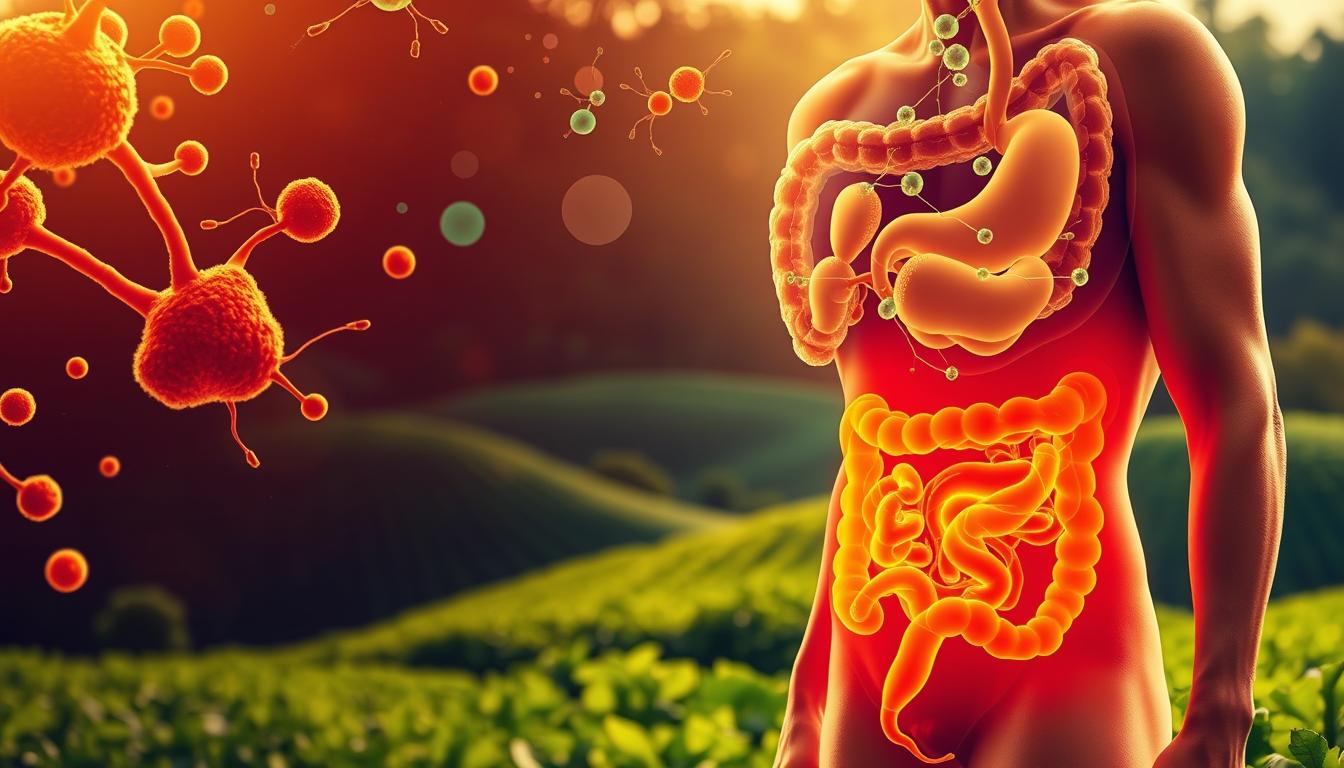
Looking back, I see that a healthy gut is key to feeling good. Making sure your gut health is in check is vital for losing weight and speeding up your metabolism.
Learning how gut health affects your overall health is a big step. A balanced gut helps control your metabolism and aids in losing weight.
Key Takeaways
- A healthy gut is essential for overall well-being.
- Gut health plays a significant role in weight loss and metabolism.
- Optimizing gut health can boost metabolism and support weight loss.
- A balanced gut microbiome is crucial for overall health.
- Understanding gut health can help you achieve a healthier lifestyle.
Understanding Gut Health and Its Importance
Gut health is key to losing weight and boosting metabolism. It’s about the balance of tiny living things in our stomach. This balance is crucial for our health.
What is Gut Health?
Gut health is about the mix of good and bad bacteria in our stomach. This mix is important for digestion, nutrient absorption, and disease prevention.
A healthy gut has many good bacteria. These bacteria help our immune system, make vitamins, and digest food.
Factors Influencing Gut Health
Many things can affect our gut health. These include:
- Diet: Eating foods high in fiber and nutrients helps good bacteria grow.
- Lifestyle: Stress, not enough sleep, and sitting too much can harm our gut.
- Environmental Influences: Antibiotics, pollutants, and toxins can upset our gut’s balance.
To keep our gut healthy, we need to watch these factors. Making smart choices helps our gut stay balanced. A balanced gut is vital for losing weight and boosting metabolism.
The Gut-Microbiome Connection
The human gut is home to trillions of microorganisms that influence various bodily functions.
These microorganisms, known as the gut microbiome, are vital for our health. They play a big role in digestive health.
What Are Gut Microbiomes?
Gut microbiomes are complex ecosystems. They include bacteria, viruses, and fungi.
These microorganisms work together. They break down complex foods, produce vitamins, and regulate the immune system.
As Dr. Maria Gloria Dominguez-Bello says, “The gut microbiome is key to human health. It affects digestion, the immune system, and even mental health.”
“The human microbiome is a complex ecosystem that has a profound impact on our health and disease.”
Types of Beneficial Bacteria
Certain bacteria are good for our health.
Lactobacillus and Bifidobacterium are well-known. They are found in fermented foods and probiotics.
| Beneficial Bacteria | Functions | Food Sources |
|---|---|---|
| Lactobacillus | Aids digestion, produces vitamins | Yogurt, kefir, sauerkraut |
| Bifidobacterium | Supports immune system, improves digestion | Probiotics, fermented milk products |
It’s important to keep a balance of these beneficial bacteria. This is key for a healthy gut microbiome.
How Gut Health Affects Weight Loss
A healthy gut microbiome is key for a healthy weight. The connection between gut health and weight loss is complex. It involves the balance of gut bacteria.
The gut microbiome controls our metabolism and weight. An imbalance, or dysbiosis, can cause weight gain and metabolic problems.
Role of Gut Bacteria in Appetite Regulation
Gut bacteria send signals to our brain about hunger and fullness. For example, some good bacteria make short-chain fatty acids. These help control appetite and improve glucose use.
Beneficial bacteria like Lactobacillus and Bifidobacterium are important for appetite control. They reduce inflammation and improve the gut barrier. This can help manage weight better.
Why Imbalanced Gut Flora Can Lead to Weight Gain
An imbalance in gut flora can harm the gut’s function. This leads to more inflammation and metabolic problems. It can cause weight gain, especially around the belly.
Studies show people with obesity have different gut bacteria than those who are healthy. Eating right and using probiotics can help balance gut bacteria. This can aid in weight loss.
| Factors Influencing Gut Health | Impact on Weight Loss |
|---|---|
| Diet rich in fiber and probiotics | Promotes weight loss by improving gut health |
| Imbalanced gut bacteria | Can lead to weight gain and metabolic issues |
| Regular exercise | Enhances gut health and supports weight loss |
Metabolism: The Body’s Engine
Metabolism is like the body’s engine, driving life and function. It’s a complex system that turns food into energy. This supports our health and well-being.

What Is Metabolism?
Metabolism includes all biochemical reactions in our bodies. It’s divided into catabolism and anabolism. Catabolism breaks down complex molecules into simpler ones, releasing energy. On the other hand, anabolism uses this energy to build complex molecules from simpler ones. This supports growth and repair.
Factors That Influence Metabolism
Many factors affect our metabolic rate. These include genetics, age, sex, weight, and lifestyle. For example, muscle mass is key; more muscle means a higher metabolic rate.
Knowing these factors helps us make choices to boost our metabolic rate. By adding regular exercise and a balanced diet, we can keep our metabolism healthy.
- Genetics: Inherited traits that affect metabolic rate.
- Age: Metabolic rate often decreases with age.
- Lifestyle: Diet and exercise significantly impact metabolism.
The Link Between Gut Health and Metabolism
The connection between gut health and metabolism is quite interesting. It’s a topic that has gotten a lot of attention lately. Keeping a balanced gut microbiome is key for good metabolic health.
The gut microbiome affects how we use energy from food. It also controls important metabolic pathways. A healthy gut has many good bacteria that help start metabolic processes.
How Gut Health Stimulates Metabolic Rate
Gut health boosts metabolic rate by affecting the gut-brain axis. This network helps control hunger, fullness, and how we use energy. A balanced gut sends signals to the brain to improve metabolic rate and burn more energy.
Impact of Gut Bacteria on Energy Expenditure
Gut bacteria play a big role in how we use energy. Some good bacteria help break down fats and improve insulin use. They make short-chain fatty acids from fiber, which helps us use energy better.
| Metabolic Process | Influence of Gut Microbiome | Impact on Energy Expenditure |
|---|---|---|
| Carbohydrate Metabolism | Regulation of glucose uptake and storage | Increased energy expenditure through enhanced glucose metabolism |
| Fat Metabolism | Modulation of fatty acid synthesis and oxidation | Enhanced fat breakdown, leading to increased energy expenditure |
| Protein Metabolism | Influence on amino acid synthesis and degradation | Optimized protein utilization, supporting muscle mass and energy expenditure |
In conclusion, gut health and metabolism are closely linked. Eating well and living healthily helps keep the gut balanced. This supports metabolic health and can increase energy use.
Foods That Promote Gut Health
Eating the right foods can greatly improve gut health. This leads to better digestion and overall wellness. A diet full of certain nutrients helps grow good bacteria in the gut. This supports a balanced digestive system.
Probiotics: Nature’s Way to Boost Gut Health
Probiotics are live microorganisms that offer health benefits. They are called “good” bacteria because they keep the gut healthy. Foods like yogurt, kefir, sauerkraut, and kimchi are rich in probiotics.
Including these foods in your diet can fill your gut with healthy microbes. This supports digestive health.
“Probiotics are key for a healthy gut microbiome,” says a leading expert. “They aid digestion, lessen irritable bowel syndrome symptoms, and boost the immune system.”
“The gut is the gateway to overall health, and probiotics play a crucial role in maintaining its balance.”
Prebiotic Foods to Include in Your Diet
Prebiotics are parts of food that help beneficial microorganisms grow in the intestines. They feed probiotics, helping them thrive and supporting a healthy gut. Foods like asparagus, bananas, onions, garlic, and whole wheat bread are rich in prebiotics.
Eating a mix of probiotics and prebiotics can have a powerful effect. This is called synbiotics, which boosts gut health and overall well-being.
By choosing the right foods, you can actively support your gut health. Adding probiotics and prebiotics to your meals can greatly improve digestion and health.
Lifestyle Changes for Better Gut Health
A healthy gut is more than just food. It’s also about how we live. Making lifestyle changes can greatly improve gut health. This helps with weight loss and overall health.
Importance of a Balanced Diet
Eating a balanced diet is key. Focus on fruits, vegetables, and whole grains. These foods give us important nutrients and fiber. They help good bacteria grow in our gut.
- Incorporate a variety of colorful fruits and vegetables into your meals.
- Choose whole grains over refined grains to increase fiber intake.
- Limit processed and high-sugar foods that can disrupt gut bacteria.
The Benefits of Regular Exercise
Regular exercise is vital for gut health. It boosts the variety of gut bacteria and improves digestion. This reduces the chance of stomach problems.
Cardio exercises, like running or cycling, and strength training are great. Try to do at least 30 minutes of moderate exercise daily.
Combining a balanced diet with exercise has a powerful effect. It supports gut health and helps with weight loss. This approach is essential for a healthy gut microbiome.
Signs of Poor Gut Health
It’s important to know the signs of poor gut health to stay healthy. Poor gut health can affect many areas of our life, from digestion to energy levels.
Common Symptoms to Watch For
Look out for these common signs of poor gut health:
- Digestive issues such as bloating, gas, and irregular bowel movements
- Fatigue and low energy levels
- Weight gain or difficulty losing weight
- Skin issues like acne, eczema, or rashes
- Mood swings, anxiety, or depression
Dr. Emeran Mayer, a renowned gastroenterologist, says, “The gut and the brain are connected. An imbalance in the gut microbiome can affect mental health.”
How to Assess Your Gut Health
To check your gut health, observe your body’s reactions to food and lifestyle. Keeping a food diary can help spot patterns and triggers.
Adding probiotics and prebiotics to your diet can also help. Probiotics add good bacteria, while prebiotics feed these bacteria.

By watching for signs of poor gut health and making changes, you can improve your gut health and overall well-being.
Tips for Maintaining a Healthy Gut
Keeping your gut healthy is more than just eating right. It’s about making changes in your daily life. Drinking enough water and managing stress are key. These help keep your gut microbiome in balance, which is vital for a healthy metabolic rate.
Hydration and Its Role in Gut Health
Drinking enough water is essential for a healthy gut. It helps keep your bowels regular and prevents constipation. This ensures your digestive system works well.
Drinking enough water is crucial for gut health. It helps your body absorb nutrients and keeps your gut lining strong.
Mindfulness and Stress Management Techniques
Mindfulness, like meditation and yoga, can greatly improve gut health. High stress can upset the balance of your gut microbiome. This can lead to health problems.
Adding mindfulness to your daily routine can boost your gut health. Regular practice can lead to a healthier gut and better overall health.
When to Consult a Healthcare Professional
Keeping your gut healthy is key for your overall well-being. This is especially true for weight loss and metabolism. While changing your diet and lifestyle can help, sometimes you need a doctor’s help. Knowing when to get medical advice is important for fixing gut health problems.
Identifying Severe Gut Health Issues
It’s crucial to spot serious gut health problems early. Look out for signs like constant stomach pain, severe diarrhea, or blood in your stool. These could mean you have something serious like inflammatory bowel disease or a gut infection that needs quick medical care.
Finding the Right Specialist
Seeing a gastroenterologist or a doctor who knows about digestive health is a good idea. They can give you advice and treatment that fits your needs. They can also help fix any underlying issues, which can help with weight loss and improving your metabolism.